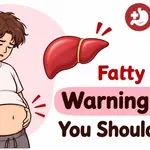
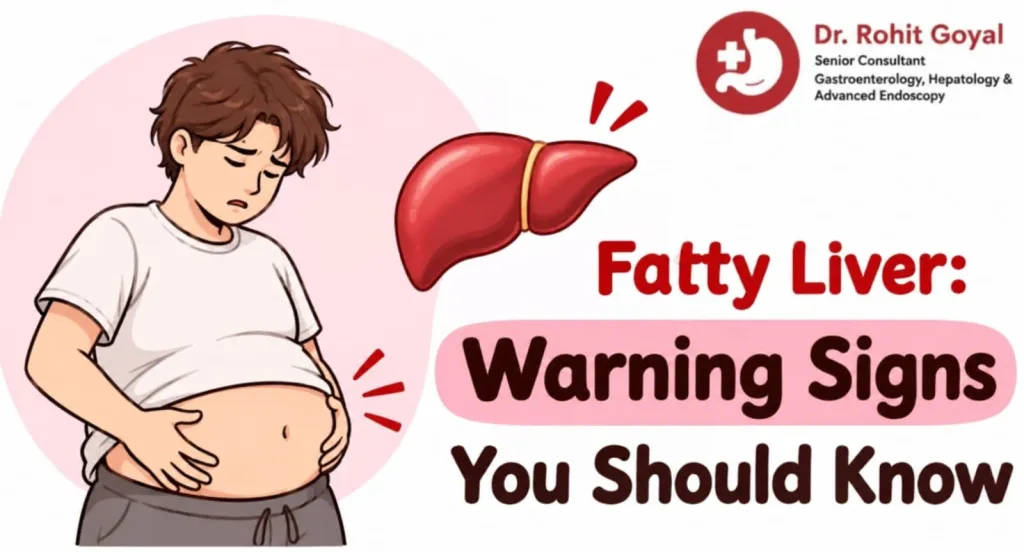
Fatty liver disease is becoming increasingly common, and many people may have it without even knowing. It occurs when excess fat accumulates in the liver. In its early stages, fatty liver often causes no noticeable symptoms. However, if left untreated, it can sometimes progress to liver inflammation, scarring (fibrosis), and even cirrhosis.
The good news is that early detection and appropriate lifestyle changes can help prevent further liver damage.
What Is Fatty Liver Disease?
Fatty liver disease refers to excessive fat accumulation in the liver. It is broadly associated with metabolic dysfunction (MASLD), which commonly occurs in people with obesity, diabetes, high cholesterol, high triglycerides or insulin resistance.
Fatty liver can occur even in people who are not overweight.
Warning Signs of Fatty Liver You Should Know
Dr Rohit Goyal, Gastroenterologist in Dwarka, Delhi suggests that in the early stages, fatty liver usually causes no symptoms. However, some people may experience:
1. Persistent Fatigue and Weakness
Feeling unusually tired, exhausted or low on energy despite adequate sleep can sometimes accompany fatty liver disease.
2. Discomfort in the Upper Right Abdomen
Some people experience mild pain, heaviness or discomfort on the right side of the upper abdomen, where the liver is located.
3. Unexplained Abdominal Swelling
Abdominal swelling may occur in advanced liver disease due to fluid accumulation (ascites) and requires prompt medical evaluation.
4. Loss of Appetite
A reduced appetite, nausea or a feeling of fullness may occur in some patients with liver disease.
5. Unexplained Weight Changes
Metabolic problems commonly associated with fatty liver can contribute to weight gain. Unintentional weight loss, particularly with other symptoms, needs medical assessment.
6. Yellowing of Eyes and Skin
Jaundice is not a usual early symptom of simple fatty liver. It can indicate significant liver dysfunction or another liver or biliary problem and needs urgent evaluation.
7. Swelling in the Legs
Swelling in the feet and legs can occur in advanced liver disease due to fluid retention and reduced albumin production.
Who Is at Risk of Developing Fatty Liver?
Dr Rohit Goyal suggests that certain health conditions and lifestyle factors can increase the risk:
- Type 2 diabetes or insulin resistance.
- High cholesterol and triglyceride levels.
- High blood pressure.
- Excessive consumption of sugary and processed foods.
- Lack of regular physical activity.
- Certain metabolic conditions.
- Obesity and excess abdominal fat.
- Excessive alcohol consumption.
How Is Fatty Liver Diagnosed?
A gastroenterologist may recommend:
- Liver Function Tests (LFT): To assess liver enzymes and other indicators of liver health.
- Ultrasound Abdomen: To detect fat accumulation in the liver.
- FibroScan: To assess liver stiffness and estimate the degree of fibrosis.
- Additional Blood Tests: To evaluate metabolic health and rule out other liver conditions.
A normal liver enzyme report does not always rule out fatty liver or liver scarring.
Can Fatty Liver Be Reversed?
Yes! In many people, particularly those with early-stage metabolic fatty liver, lifestyle changes can significantly reduce liver fat and improve liver health.
Here are some important steps:
- Control diabetes, blood pressure and cholesterol.
- Include vegetables, fruits, whole grains, pulses and adequate protein in your diet.
- Reduce sugary drinks and highly processed foods.
- Stay physically active.
- Maintain healthy metabolic health.
- Avoid alcohol.
- Get regular medical check-ups if you have risk factors.
- Avoid unnecessary supplements and self-medication.
- Aim for gradual and sustainable weight loss if overweight.
When Should You Consult a Gastroenterologist?
Seek urgent medical attention for jaundice, abdominal swelling, vomiting blood, black stools, confusion or significant unexplained weight loss.
Take Care of Your Liver Before Problems Develop!
Fatty liver is often reversible or manageable, especially when detected early. Regular health assessments, appropriate investigations and timely lifestyle modifications can help protect your liver from long-term damage.
Consult Dr. Rohit Goyal
Gastroenterologist | Liver Specialist | Endoscopist
Medisphere Clinic, Dwarka, Delhi
Early detection and the right treatment approach can make a meaningful difference to your liver health.
“Your liver works silently. Make its health a priority.”